
Knowledge & Transition
The biggest power decision your fleet will make
Lead-acid still runs most of the industry, but lithium-ion is growing fast and closing in on total cost of ownership. The hard part is knowing what fits your operation. That is where an independent advisor matters.
Why Ask Us
We do not manufacture batteries, so we have no reason to push one
Supplier neutral
Forklift OEMs push their own lithium platforms. As an independent distributor with access to multiple product lines, we recommend the right technology for your application, not a single brand.
42 years of transitions
We have guided fleets through more than one technology shift. We know where the real costs and the real disruptions hide, and how to plan around them.
Local and accountable
National integrators are expensive and impersonal. We are down the road, we install and service what we recommend, and we are here for the long run.
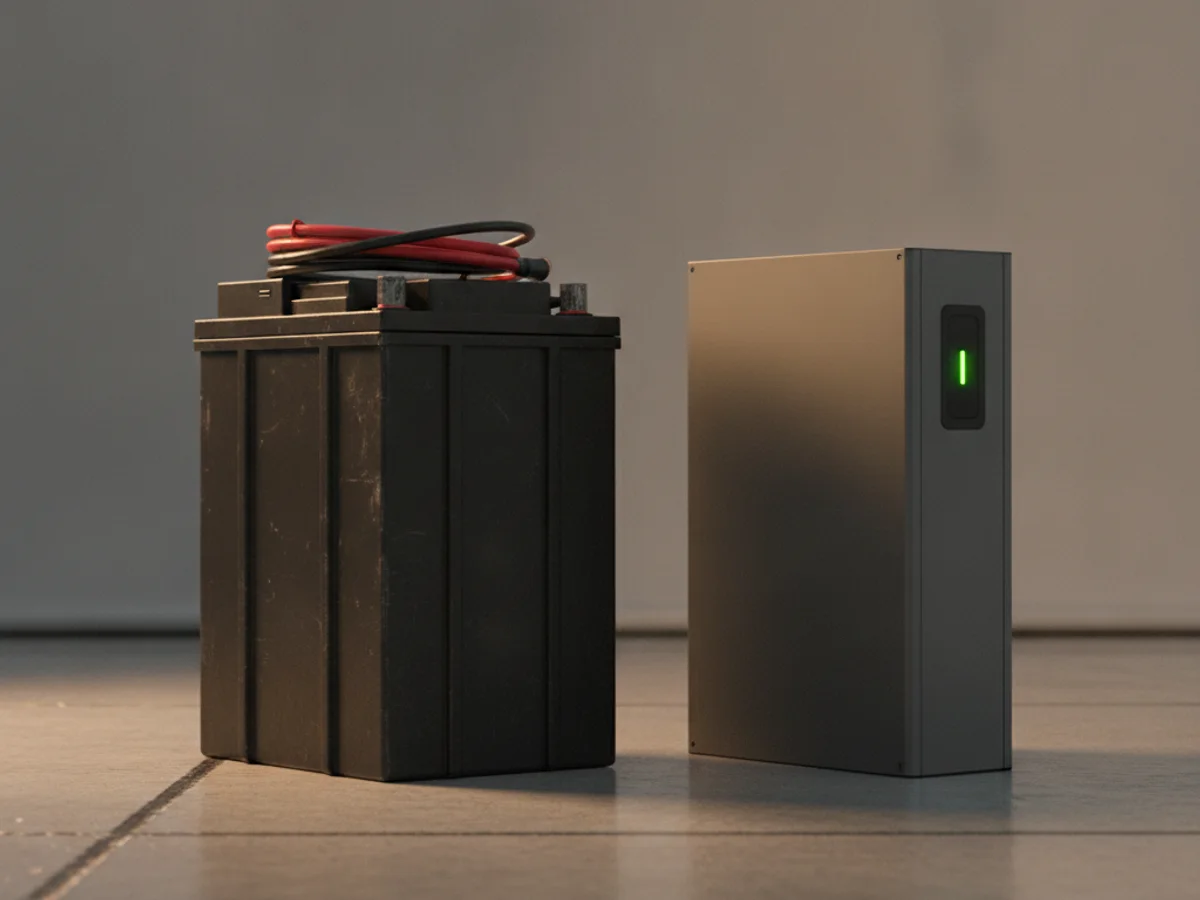
Lead-Acid vs Lithium-Ion
An honest comparison
There is no single right answer. The right choice depends on how hard your fleet works and how it is set up today. Here is the plain version.
Total Cost of Ownership
Purchase price is not the whole story
Industry-wide, lithium-ion pack costs have fallen dramatically over the past decade, and for multi-shift operations the total cost of ownership has already crossed in lithium-ion's favor. We model your specific numbers so the decision is based on your operation, not a headline.
Compliance & Infrastructure
The room has to be ready
Lead-acid battery rooms are built around ventilation, eyewash stations, and acid containment under OSHA rules, and A.C.T. chargers meet CEC Title 20 efficiency standards. Lithium-ion removes some of those needs and adds others. We plan the infrastructure either way.
How The Transition Works
A phased path, with zero surprise downtime
Assess
We model your fleet size, shift pattern, electricity rate, and duty cycle to compare lead-acid and lithium-ion over a realistic horizon. Honest numbers, not a sales deck.
Pilot
Prove it at one facility before you commit. We set up an instrumented pilot so you can measure uptime, energy use, and labor against your current setup.
Plan infrastructure
Lithium-ion changes the charging and battery room requirements. We plan the electrical, layout, and safety changes so there are no surprises.
Scale and support
Phased rollout across sites with training and ongoing service, so operations keep moving while the technology changes underneath them.
Get an unbiased read on your fleet
Tell us how your operation runs and we will tell you, honestly, whether lithium-ion makes sense and how to get there.